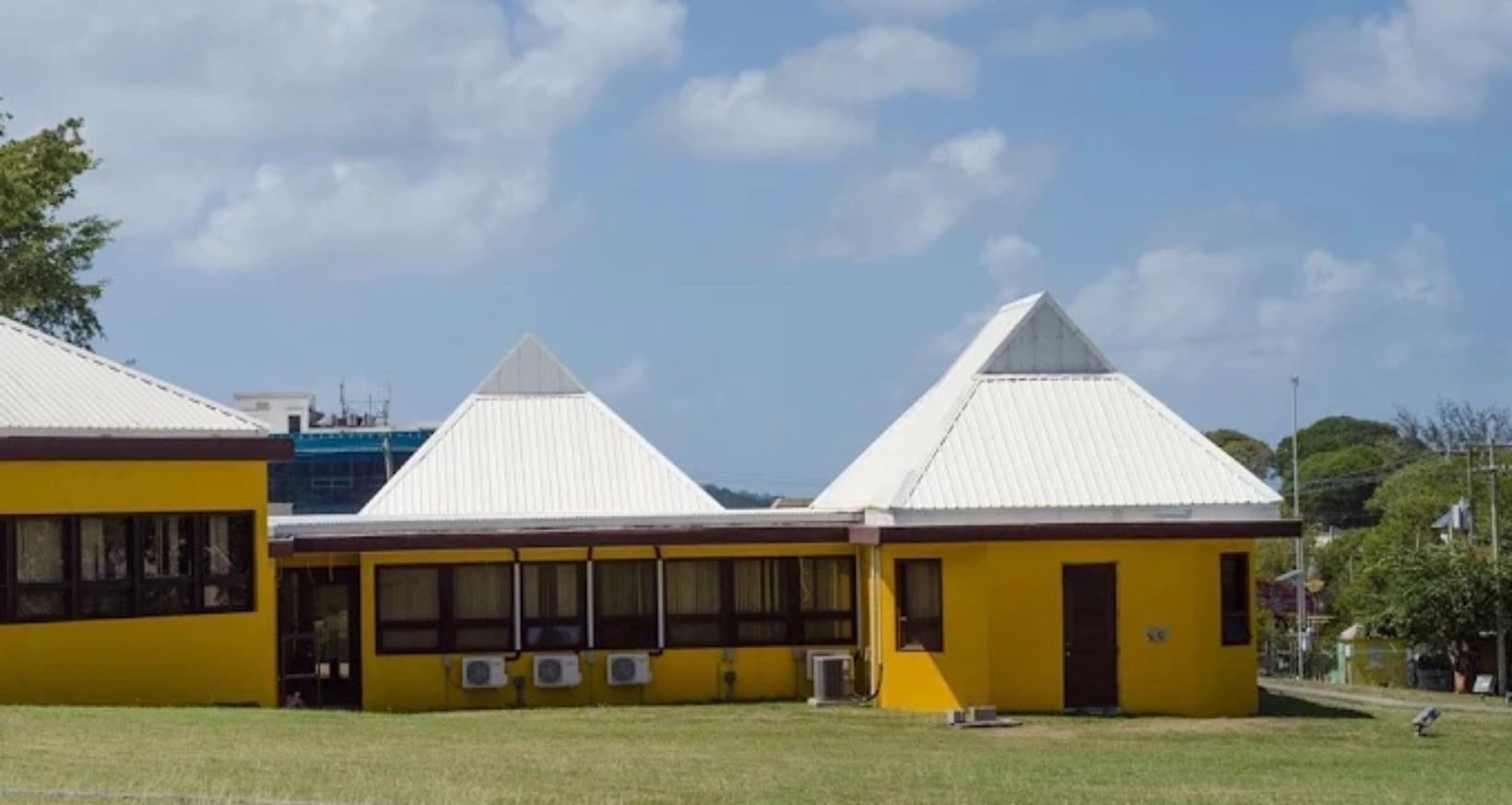
Extensive repairs have reduced the immediate threat to Antigua and Barbuda’s irreplaceable historical records, but a leaking roof continues to keep National Archives staff working from home — and the moment the rains return in earnest, the mold crisis that triggered the crisis could begin all over again.
Director of the National Archives of Antigua and Barbuda Gavin Emmanuel said in an exclusive interview with Observer Media that crews from Public Works carried out extensive repairs at the Factory Road facility throughout March and April, significantly reducing the threat to sensitive archival records. However, the building’s leaking roof remains unrepaired, raising concerns that mold could return once heavy rains resume.
What Was Repaired
The repairs included the removal of mold-contaminated display materials, replacement of faulty air-conditioning units, installation of additional units to improve climate control throughout the building, interior painting, replacement of faulty light fixtures, retrofitting of several rooms, and extensive deep cleaning to remove mold growth from affected areas.
Among the materials removed were fabric display panels that had been installed when the Archives was first constructed. Over time, moisture buildup contributed to mold growth on the fabric and behind display cases mounted against walls near air-conditioning units.
“Nearly all faulty air-conditioning units were replaced and additional units installed, allowing staff to maintain the recommended preservation temperature of between 16 and 22 degrees Celsius for archival records,” Emmanuel said.
The Problem That Remains
Despite the improvements, the root cause of the crisis has not been addressed. A damaged section of the roof that was previously removed has not been replaced, leaving the facility vulnerable to water intrusion. Emmanuel cautioned that once rainfall returns, moisture could once again enter the building and create conditions favourable for mold growth.
For that reason, employees remain at home, as management fears recurring rainfall could quickly lead to renewed mold growth. Government Analytical Services had previously warned that moisture-damaged materials serve as havens for mold spores.