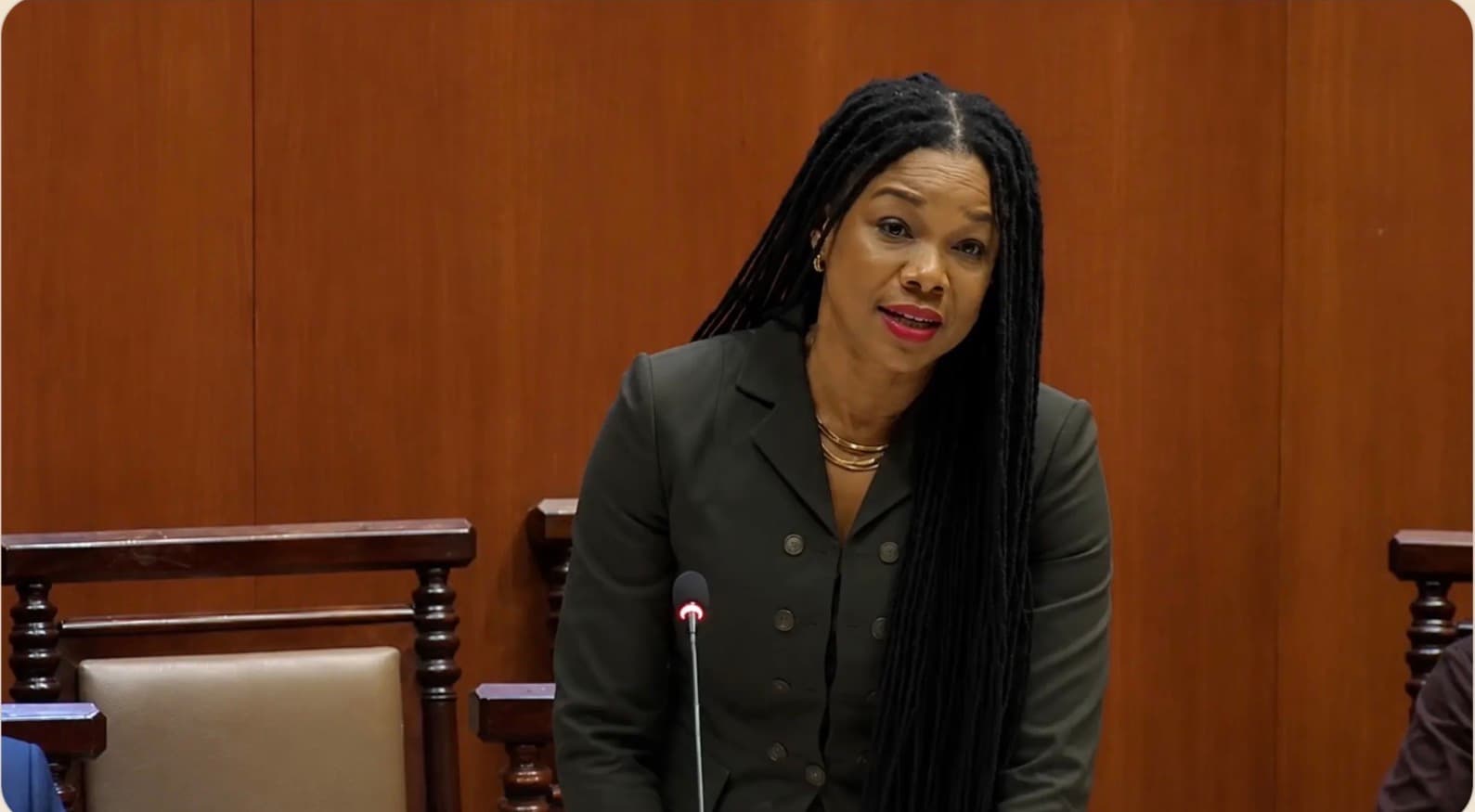
Opposition Senator Malaka Parker used her contribution to Thursday's Senate debate on the Antigua and Barbuda Citizenship by Investment (Amendment) Bill, 2026 to argue that the country's Citizenship by Investment (CBI) programme has been mismanaged into crisis, warning that the reforms now before Parliament are "woefully late" and demanding that CBI revenues finally be ring-fenced for genuine national development.
Parker, who sat in the Senate when the original CIP legislation was passed, reminded the chamber that she voted against the 2013 bill even while on the government benches — a record, she said, that entitles her to scrutinize the programme now from opposition. "History will recall that I voted against the CIP legislation at the time, and this is why I can stand in this honourable House and rip apart every bill that comes before me," she said.
From Bill Chong to today
Senator Parker traced her scepticism to 1994, when, at age 16, she watched the "Bill Chong passport affair" erupt onto the national stage — the illicit sale of Antiguan and Barbudan passports, primarily to Chinese nationals, by a special envoy appointed under the then administration. That scandal, she said, awakened a visceral national consciousness about the value of the passport, one she fears has since been squandered.
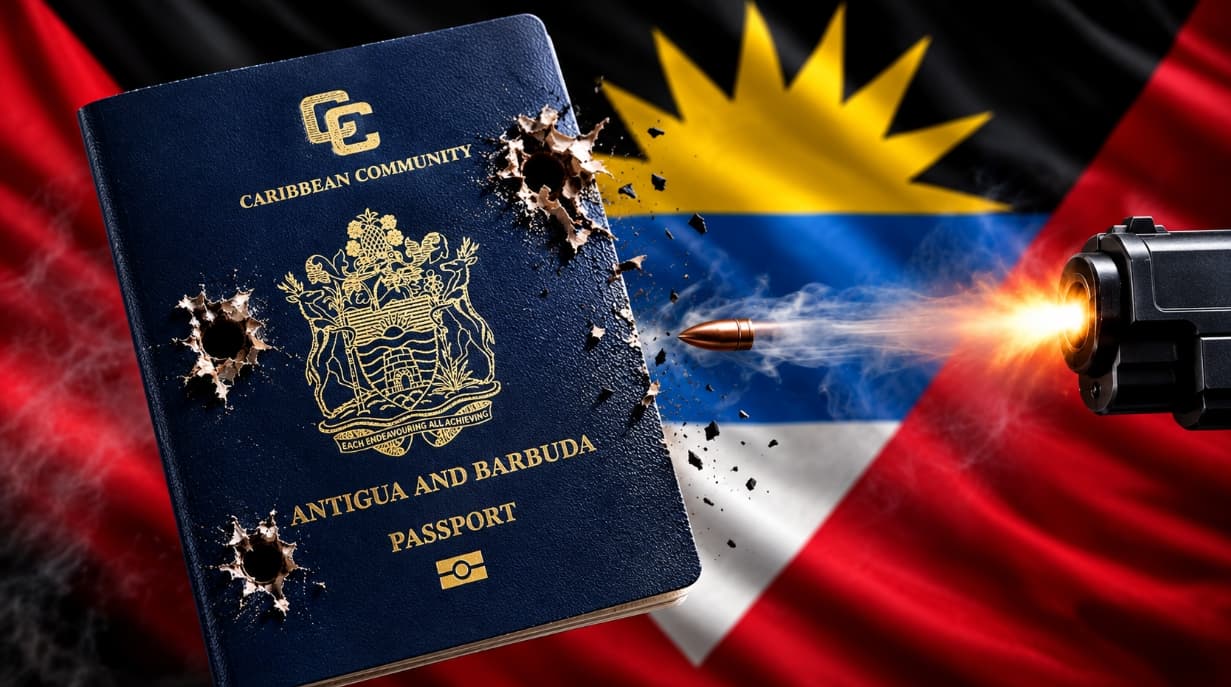
She credited the United Progressive Party administration with building safeguards into the 2013 CBI act, though she considered even those inadequate at the time — pressing then for a stronger investment emphasis over the "straight sale" of citizenship, more rigorous due diligence, a longer residency requirement than the original 35 days, and the ring-fencing of CIP revenues. Those safeguards, she argued, were "systematically stripped away" after the change of government in 2014 — so quickly that Canada revoked visa-free access for Antiguans and Barbudans by 2017, and the dismantling continued even after that loss. Senator Parker noted that the visa restrictions were not limited to the past by reminding the senate that the US cited features of the CBI programme raising "security and identity verification questions" in the proclamation announcing the US visa restrictions implemented from January of this year.
"Reactive, not proactive"
Senator Parker flatly rejected government claims that the bill — which creates the Eastern Caribbean Citizenship by Investment Regulatory Authority — represents proactive leadership. The regional body, she said, was "created under duress" after five OECS countries engaged in "a vicious race to the bottom" on passport prices while accountability mechanisms were eroded.
"We are not debating this legislation this afternoon because this government respects the rule of law in relation to the CIP," she said, endorsing the evidence presented earlier by fellow opposition Senator Jonathan Wehner. "Senator Wehner has presented the evidence of that."
Senator Parker that the US cited features of the programme raising "security and identity verification questions."
EU report: lowest rejection rate in the region