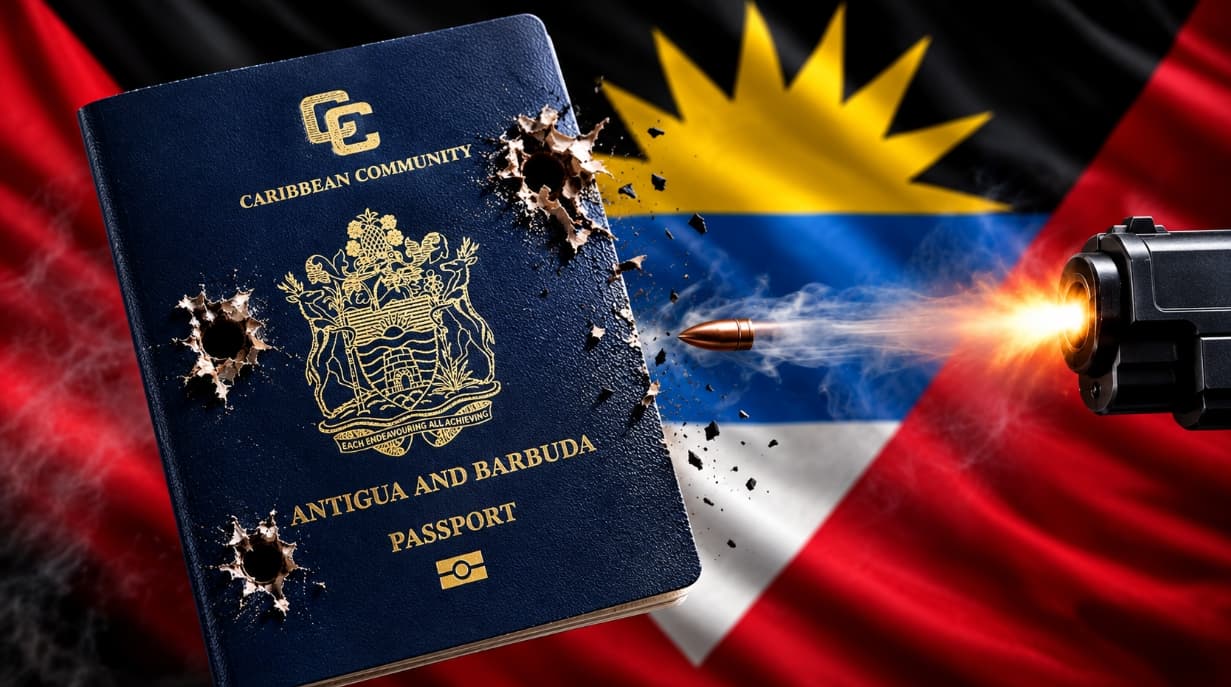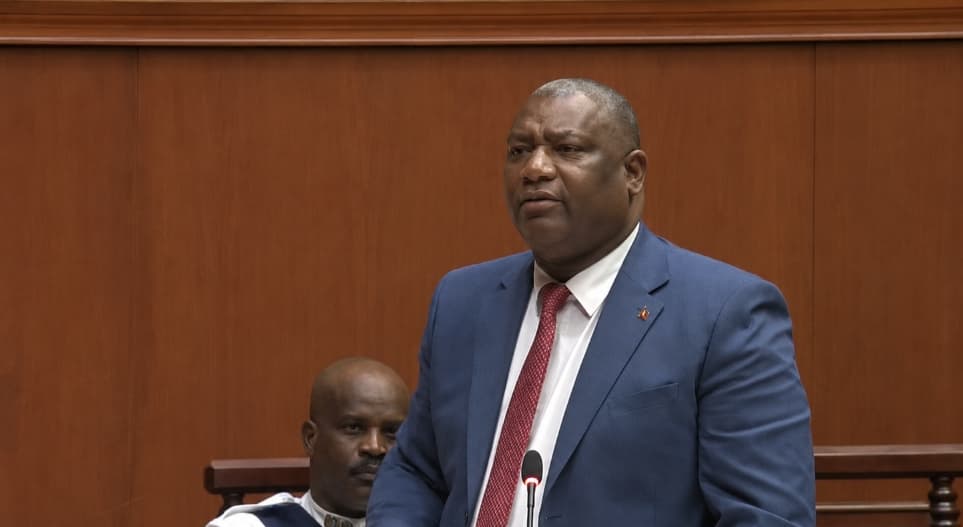
Opposition Senator Chester Hughes told the Upper House on Thursday that parliament was wasting its time debating whether Antigua and Barbuda should accept third-country nationals deported from the United States, arguing that the substance of the arrangement had long been settled without public consultation and the only question still open was when the individuals would arrive.
Contributing to the senate's consideration of the resolution on the acceptance of US deportees on Thursday, July 23rd, Senator Hughes said the negotiation have already advanced long before coming into public view. "The who has been decided, the what has been decided, the where has been decided," he said. "So, we are now at the when." If the deportees were not coming, he added, there would be nothing for the senate to debate at all.
A Foreign Minister Who "Praised the Prime Minister"
Senator Hughes said he had followed the earlier debate in the House of Representatives closely and had been struck by how members lined up to pay homage rather than interrogate the arrangement.
He said he had expected substance from the minister responsible for foreign affairs and instead heard little more than praise for Prime Minister Gaston Browne for "leading the discussion." In the view of Senator Hughes, the roles had been inverted: a foreign affairs minister should be the one bringing the latest developments to the Prime Minister and shaping the country's foreign policy direction, not standing back and deferring entirely. While he accepted that a head of government carries ultimate responsibility — "he who wears the crown carries the headache" — he suggested the posture on the government benches looked more like a readiness to attribute the blame if things went wrong rather than a defense of a considered national position.
"You Come with the Chorus, but You Don't Know the First Verse of the Hymn"
Senator Hughes argued that government senators were in no better position than the opposition, because they too had learned of the arrangement from the press. Most of the senators now defending the agreement, he said, had seen the white paper "like the rest of the country" and had read about the Memorandum of Understanding "in the newspaper like the rest of the country."
"What difference you make at the table?" he asked the government senators. "You come with the chorus, but you don't know the first verse of the hymn." He noted that he himself had been handed a document containing the MOUs and various proposals only that evening — an echo of Barbuda MP Trevor Walker's revelation, during the lower house debate, that parliament had been given an unsigned draft of the MOU on the morning of the sitting, with even government MPs admitting they had not seen it beforehand.
Senator Hughes said the whole approach stood in contrast to how serious national questions ought to be settled. Drawing on his experience during the COVID-19 pandemic — when, as a leader in the Antigua and Barbuda Workers Union, he sat on the Economic Recovery Committee's tourism and labour sub-committees alongside government ministers and other stakeholders — he said the deportee question should have begun with genuine consultation. He suggested that ambassador Sir Ronald Sanders should have met with a parliamentary sub-committee drawing in all political parties, the foreign affairs minister, the prime minister, the Barbuda Council and other interest groups to hammer out agreed national principles before any commitment was made. "That's the stage one," he said. Instead, the leadership had kept the matter to itself.