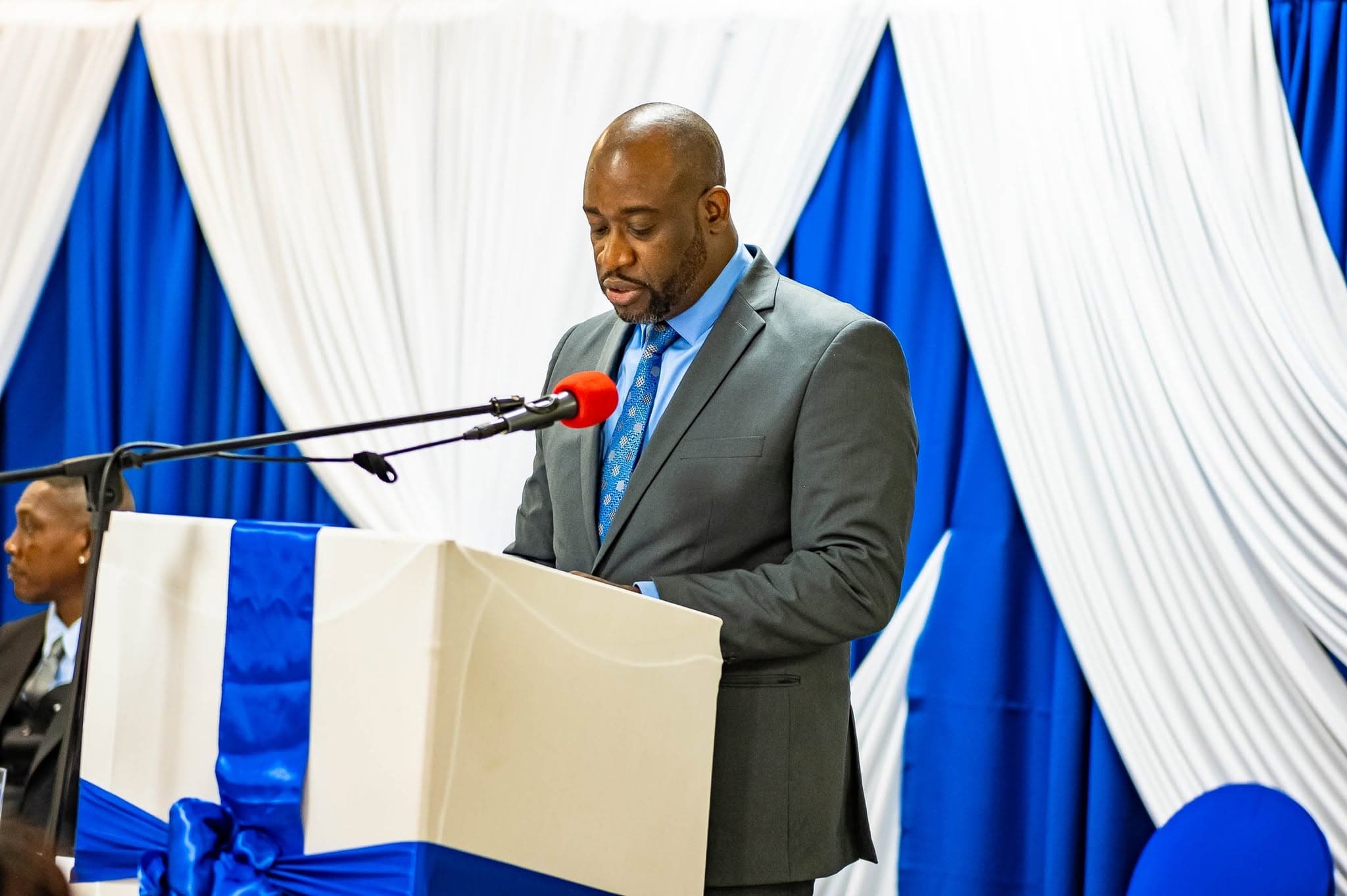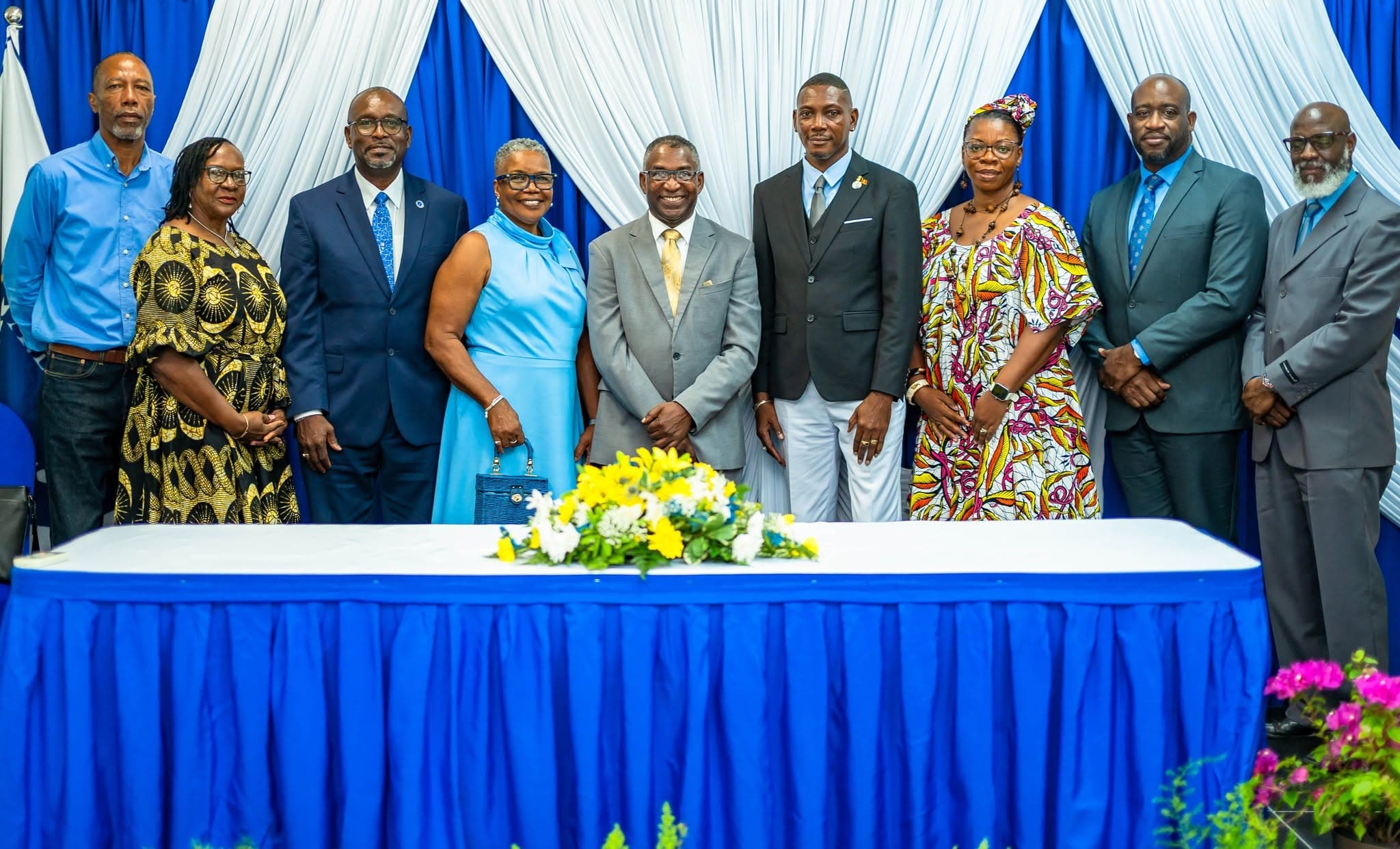
The Antigua and Barbuda Workers Union (ABWU) opened its 59th Annual Delegates Conference on Sunday with a service at Freedom Hall, marking nearly six decades of workers' representation under the theme Celebrating 59 Years of Stewardship: Embracing the Changes and Preparing for the Future World of Work. abwunion
The two-day conference, which ran from September 20th to 21st, brought together delegates, trade unionists, political figures and other stakeholders, with a common thread running through virtually every address: the arrival of artificial intelligence and its implications for Caribbean workers.
The feature address was delivered by Senator Kavan A. Gayle, C.D., President-General of Jamaica's Bustamante Industrial Trade Union, who challenged the ABWU to develop a "Workers' Charter for the Future of Work." ABWU President Kem Riley and General Secretary David Massiah also delivered major addresses, both stressing that the union must shape — rather than merely react to — technological change.
Greetings came from a wide cross-section of organisations. Labour Commissioner Eltonia Anthony-David, delivering a message on behalf of Minister of Labour Sir Steadroy Benjamin, said government, employers and trade unions must work together to guarantee lifelong learning and retraining, insisting that the future of work "must be a future in which technology serves people."
One of the morning's most pointed remarks came from Ralph Potter president of the People's Union, who charged that the essential services provisions of the law are "being used as a weapon against working people." Potter argued that the required 14 days' notice of industrial action — intended to force employers to the negotiating table — is instead being used by employers, "most significantly government institutions," to rush disputes into the Industrial Court, leaving workers unable to act. "Up with that we will not put," he declared, borrowing a phrase from the late Leonard "Tim" Hector, and warned that unions must be prepared to fight, noting that decades-long delays in modernising the 1975 Labour Code, retroactive pay and stalled collective bargaining must also be addressed.