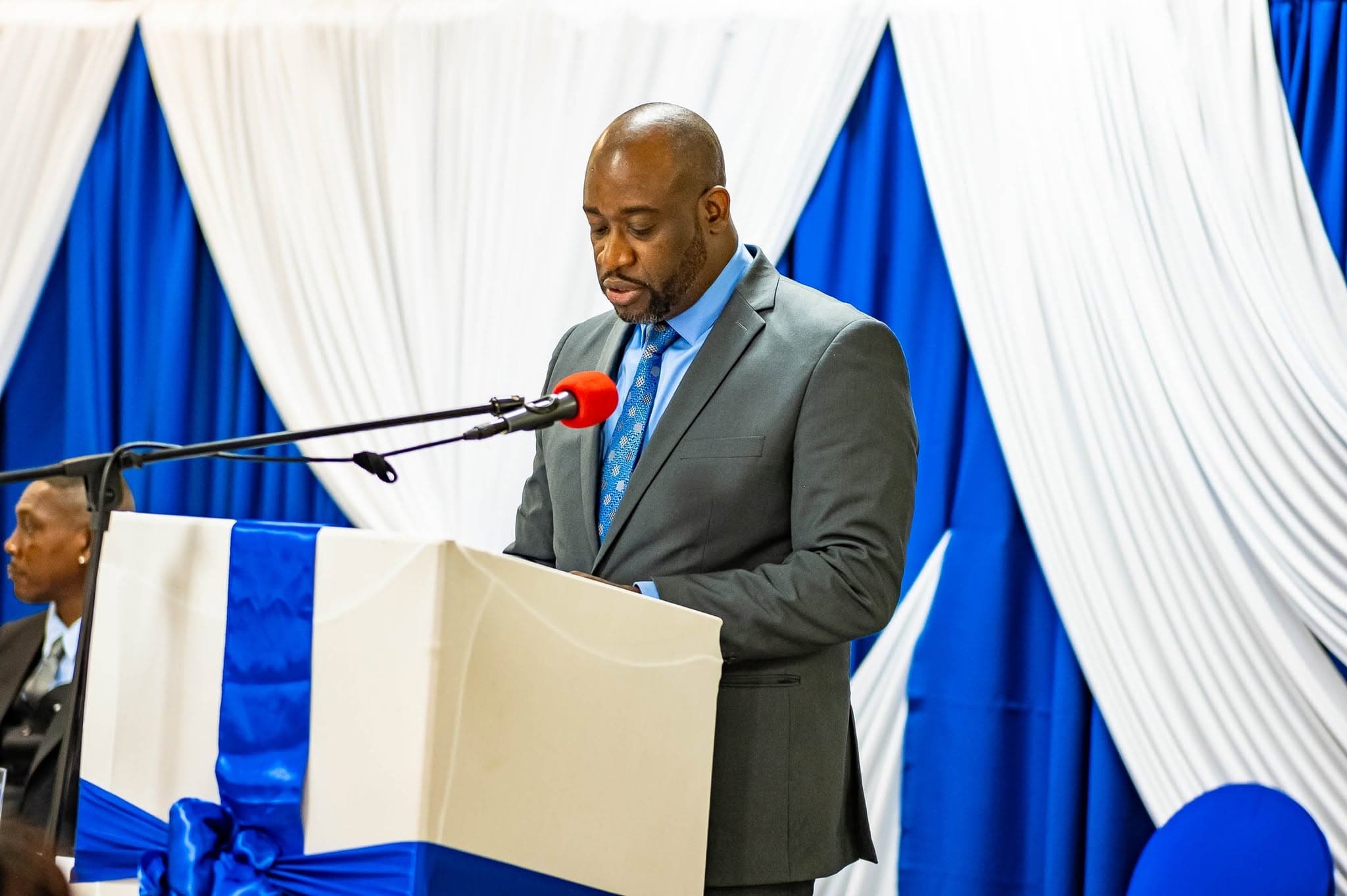
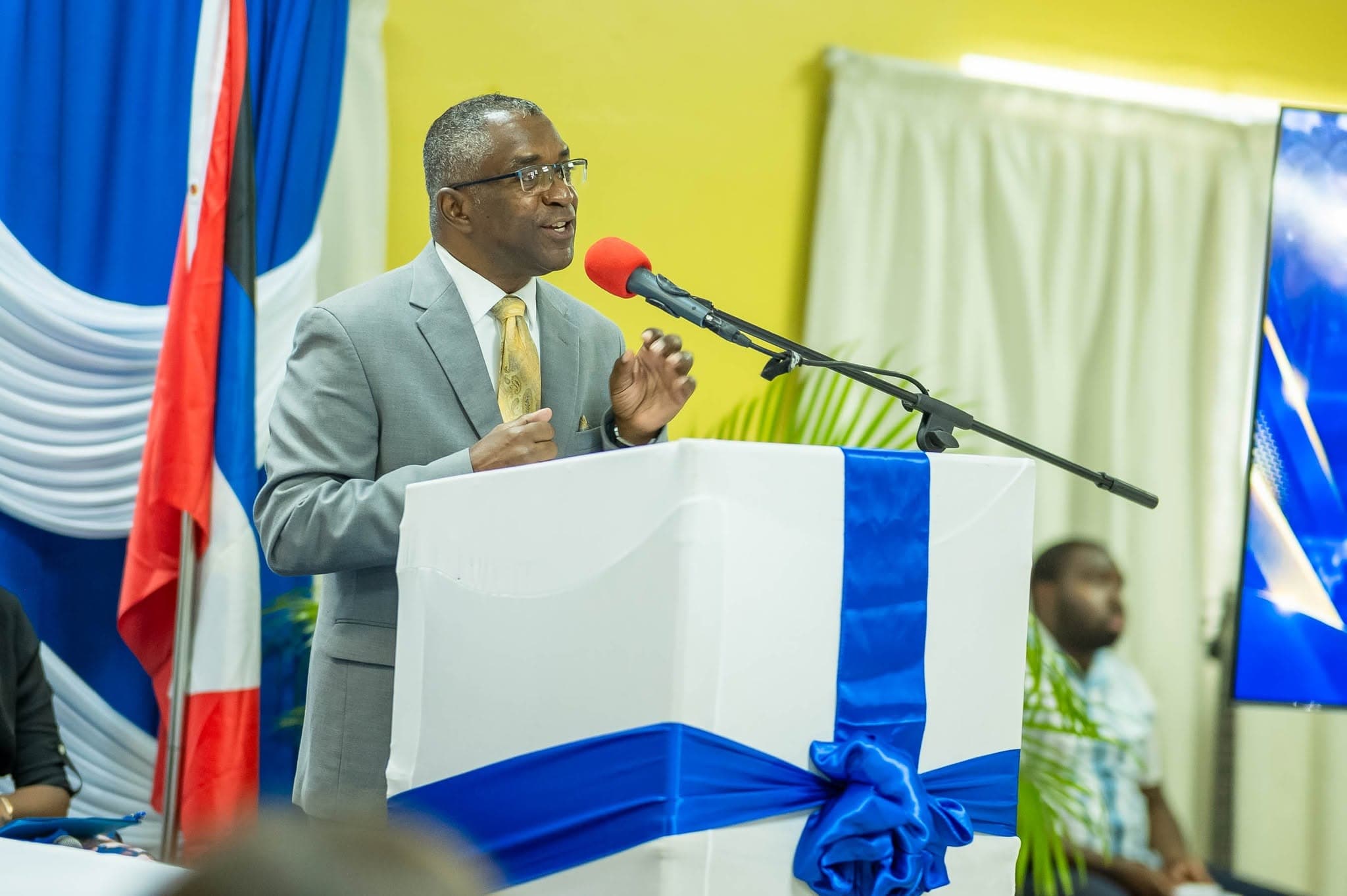
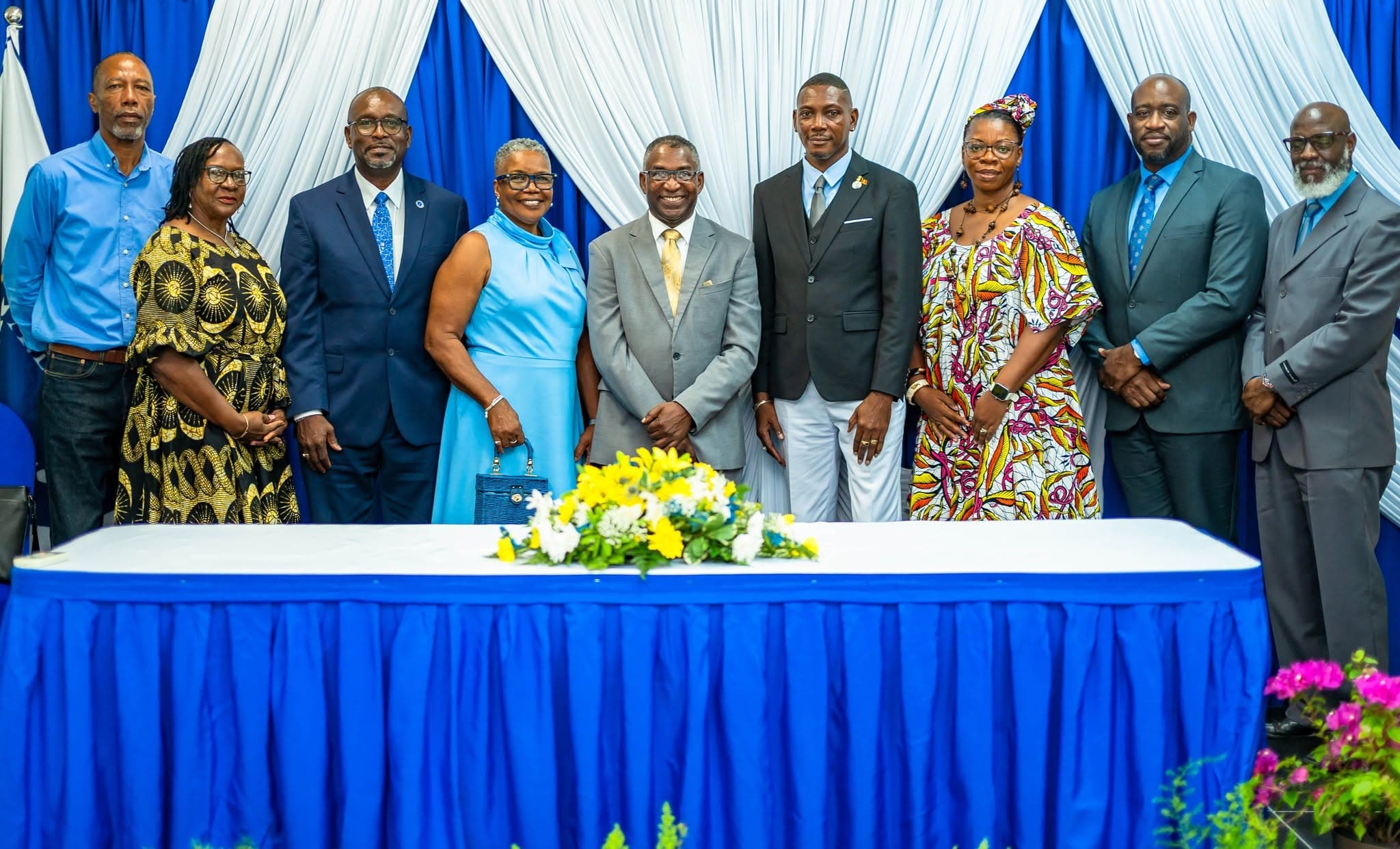
Senator Ashworth Azille has warned that artificial intelligence is exposing a wide swath of Antiguan and Barbudan jobs — many of them held by women — to obsolescence and has called on the trade union movement to make technology a formal subject of collective bargaining.
Senaotr Azille was bringing greetings on behalf of Leader of the Opposition MP Jamale Pringle at the opening ceremony of the Antigua and Barbuda Workers Union's (ABWU) 59th Annual Delegates Conference on Sunday. He said the Opposition Leader had expressed "deep regret" that prior commitments prevented him from attending in person.
The senator did not mince words about the scale of the disruption underway. Generative AI systems that can write, summarise, draft and design, he said, are "at work in full force" and changing the landscape of the local and international workforce. "The clerk, the customer service person, the individual who engages in data entry, those who engage in basic bookkeeping, routine work in the hotels, in the banks, in the government sector — these jobs are now all exposed to obsolescence," he said. "Many of them are held by you, the very members of the Antigua and Barbuda Workers Union. Many of them are held by women, the bedrock of many of our Caribbean families."
"If we pretend that this is not happening," he cautioned, "we will be negotiating for jobs after they would have long disappeared."
But Senator Azille insisted the threat is only half the story, arguing that AI also presents an opportunity unions can convert into wages. "A trained worker who knows how to best utilise AI is worth more to an employer than an untrained worker without it," he said, urging unions to reframe bargaining clauses so that businesses consult workers before large-scale deployment of technology, provide adequate notice before roles are displaced, and guarantee ongoing training and retooling. "Technological advancement without consideration for human dignity is immoral and must be rebuffed," he declared. "Humans must always be at the centre of development."
The senator also leaned heavily into the shared history of the two organisations, noting that the union was "born in struggle in 1967," gave rise to the Progressive Labour Movement, and that this lineage passed to the United Progressive Party at its formation in 1992. "I do not consider myself a visitor from another organisation," he told delegates. "I'm standing here in a room with my political family," adding that names like Sir Keithlyn Smith and Sir George Walter "belong to both of our histories."
Senator Azille praised the ABWU for balancing firm defence of workers with constructive relationships with employers, observing that "a business that fails and cannot pay wages is of no benefit to a union." He pledged that the UPP intends to nurture and strengthen its relationship with the union "not only when it is convenient, not only in the political season, but for generations to come."