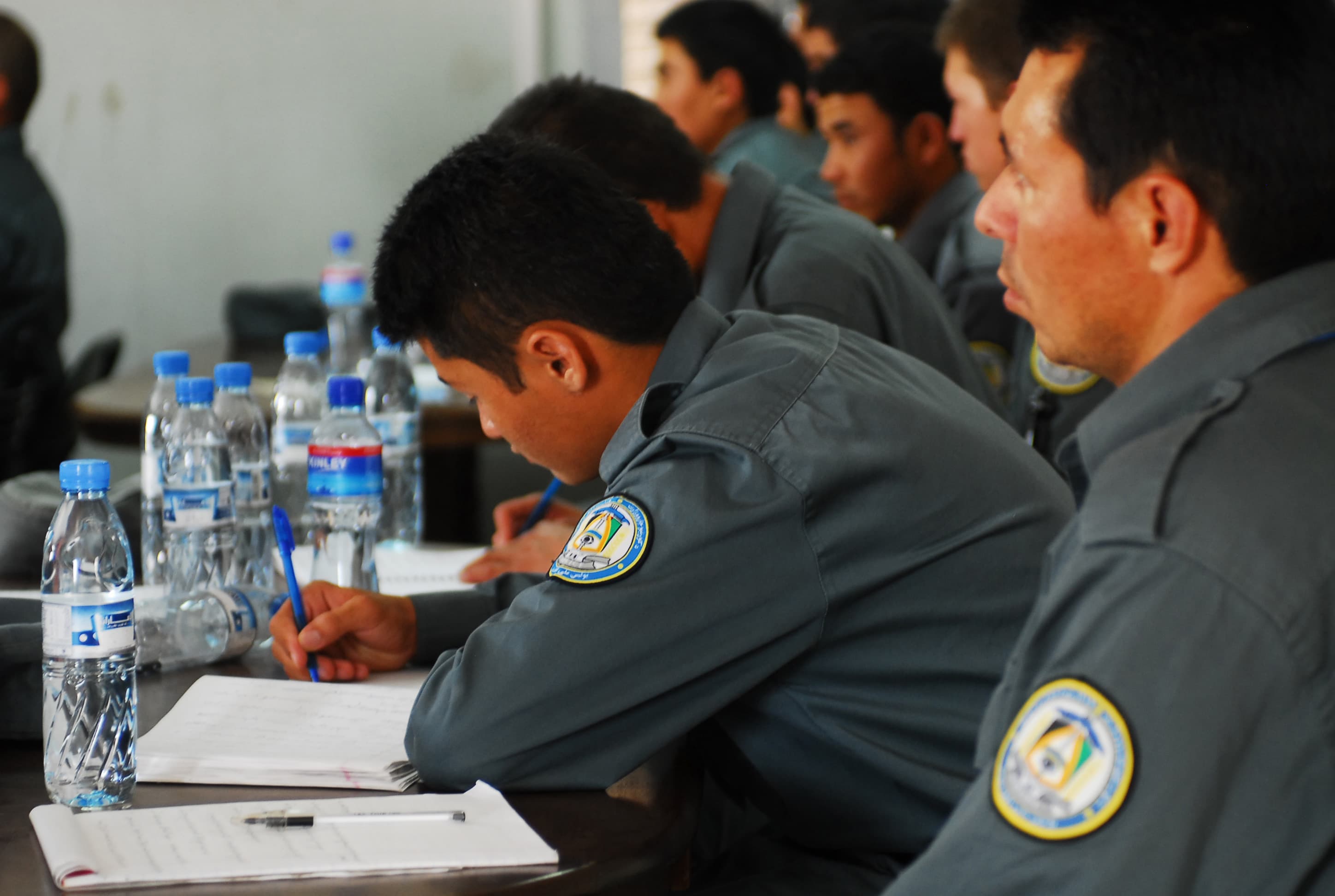
The Antigua and Barbuda Medicinal Cannabis Authority has begun briefing police recruits on how the country's medicinal cannabis rules differ from the illegal trade they are still expected to police.
The session involved nearly 60 officers in training and covered the authority's mandate, the structure of the medicinal cannabis industry and the legal distinctions that matter once recruits begin active duty. The aim is straightforward: fewer mistakes at the enforcement level and a police force better equipped to deal with a newer regulatory environment.
Why the legal distinction matters
Authority officials told recruits that cannabis now sits inside two separate legal frameworks - one tied to licensed medicinal activity and one tied to unlawful possession and trade. Regulators argue that officers who do not understand that distinction can create problems both for enforcement and for legitimate operators.
The training also cast police as public educators, not only enforcers. In practice, that means officers are expected to help explain what the law allows, where the boundaries sit and how the medicinal system differs from the illicit market.
For Antigua and Barbuda, the exercise is part of a broader effort to professionalize a sector that is still relatively new. The legal framework may already exist, but it only works if police, regulators and the public are all operating from the same understanding of the rules.