Antigua and Barbuda's Health Minister is sounding a frank and urgent alarm: the nation's healthcare system is under serious strain, chronic disease is rising at an alarming pace, and the government's budget for treating the sick is heading toward a breaking point.
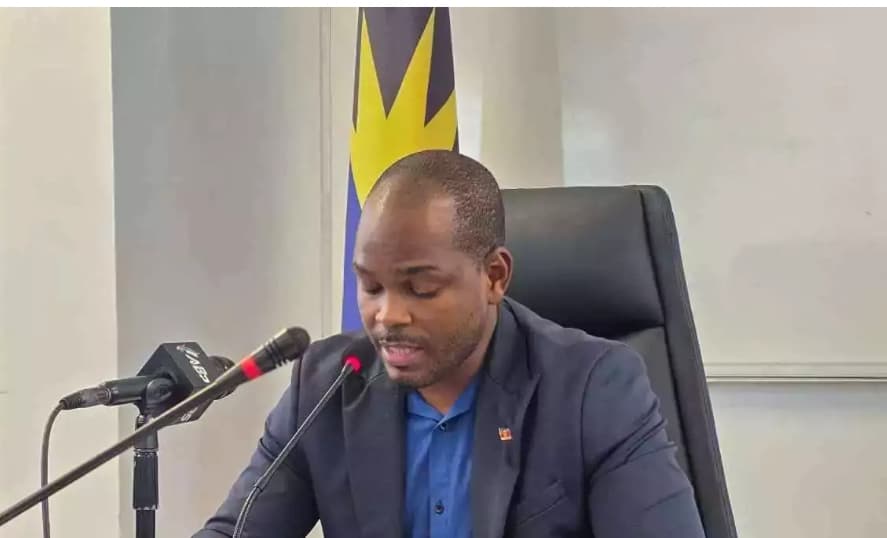
Health Minister Michael Joseph says Antigua and Barbuda is facing mounting pressure from rising cases of kidney disease, cancer, cardiac illnesses and overcrowded emergency rooms, as the government moves aggressively to modernise the country's healthcare system.
The Cost of Sending Patients Abroad
Speaking on Another Point of View on Sunday, Minister Joseph laid bare the financial toll of the nation's current reliance on overseas medical treatment. The government spent approximately €80,000 within two weeks sending cardiac patients overseas for treatment, while another US$200,000 was approved for cancer care for patients receiving treatment in Colombia.
Those figures, the minister stressed, underscore why the country can no longer delay building local capacity. Joseph said those costs highlight the urgent need to operationalise Antigua and Barbuda's planned cardiac unit and Cancer Care Centre, stating: "We'll be able to do them right here."
The Health Minister also disclosed that he has been pushing for the Cancer Care Centre to open by the end of June.
An Unsustainable Trajectory
Joseph warned that the nation's healthcare budget is becoming increasingly strained due to the growing number of chronic illnesses affecting the population. "Our health budget is going to get to a point where it becomes unsustainable," he cautioned.
The Kidney Disease Mystery
One of the most pressing concerns raised during the interview was the sharp rise in kidney disease and dialysis patients across the twin-island nation. Joseph admitted the government is now trying to determine what is driving the increase in kidney-related illnesses, including whether hereditary factors, excessive salt intake, alcohol consumption, unhealthy eating habits, antibiotics or overuse of painkillers may be contributing to the problem.
The minister pointed specifically to international studies linking certain painkillers to increased risk of kidney damage, while stressing that Antigua and Barbuda still lacks the local data needed to establish direct correlations.