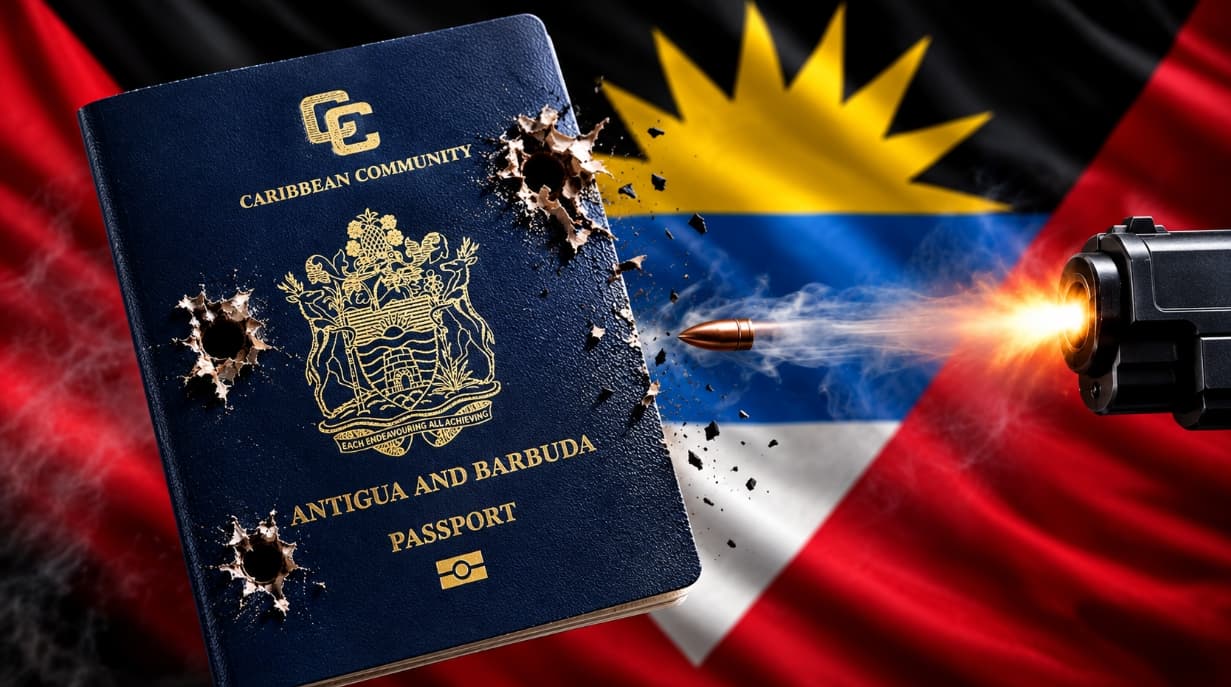
Cabinet has approved a policy direction to make Spanish the official second language of Antigua and Barbuda, setting up what could become one of the country's most significant education and workforce shifts in years.
The decision instructs the Ministry of Education, Science and Technology to begin reshaping the curriculum so that Spanish is treated as a core subject from preschool through secondary school. Officials say the move is meant to better prepare young people for a region where business, tourism, diplomacy and migration increasingly cross language lines.
Why the government says this matters
The government's case is that stronger Spanish-language skills would widen opportunities in employment and trade while also helping Antigua and Barbuda work more easily with neighbouring Spanish-speaking states. Cabinet has also pointed to the country's close relationship with the Dominican Republic and the contribution of the Dominican community to national life.
Alongside the language announcement, officials approved the Dominican Republic Integration Programme, or DRIP, which is expected to deepen economic, cultural and institutional links between the two countries. That suggests the language policy is being framed not only as a schools issue but as part of a wider regional strategy.
Implementation details will matter. Teacher training, textbooks, timetabling and classroom support will determine whether the policy becomes a practical national upgrade or remains a headline decision. But in policy terms, the direction from Cabinet is now clear.