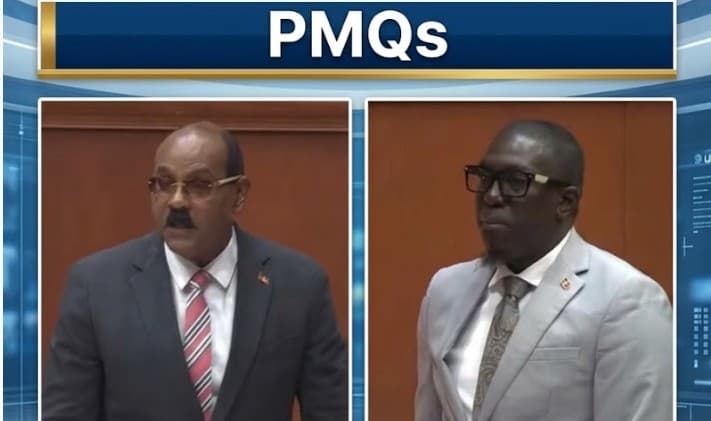
Antigua and Barbuda's Parliament has passed legislation significantly expanding police search warrant powers, but not before Opposition Leader MP Jamale Pringle and Barbuda MP Trevor Walker delivered pointed warnings that the bill as drafted risks opening the door to constitutional overreach — and could place the individual rights of citizens at the mercy of broad, unchecked police discretion.
What the Bill Does
The Magistrate's Code of Procedure Amendment Bill 2026, piloted by Attorney General Sir Steadroy Benjamin, seeks to widen the circumstances under which magistrates may issue search warrants. According to the Attorney General, the current provision has been interpreted by some lawyers as applying mainly to larceny and felony matters. The amendment would make clear that a magistrate may issue a search warrant where there is reasonable cause to believe that an offence of any kind is being or has been committed, or that evidence connected to such an offence may be found at a particular place.
The Bill also makes explicit that search warrants may be issued and executed at any time, including Sundays. Another key provision would allow evidence of other offences discovered during the execution of a warrant to be brought before a magistrate, even if those items were not the original subject of the search.
MP Pringle: "Offences of Any Kind" Is Too Broad
Opposition Leader Pringle did not oppose the legislation outright stating he supports measures intended to fight crime. His remarks were a sustained challenge to the bill's breadth and the adequacy of its safeguards.
MP Pringle warned that expanding search warrant powers to cover "offences of any kind" could be too broad and may raise serious privacy concerns if not properly limited. He suggested that the provision should include a threshold of seriousness — specifically proposing that the expanded powers be limited to indictable offences — to prevent the legislation from being used to authorise intrusive searches for minor matters.
The Opposition Leader's concern is grounded in constitutional principle. A warrant power applicable to offences of any kind — from major crimes to minor infractions — effectively removes the proportionality test that courts have long used to weigh the public interest in enforcement against the individual's right to privacy and the sanctity of the home. MP Pringle argued that lawmakers owe it to citizens to build that proportionality into the law before it is passed, not to rely on the goodwill of enforcement after the fact.
MP Pringle said he was not objecting to the overall purpose of the bill but maintained that crime-fighting legislation must not be allowed to trample on individual rights in its application.
MP Walker: Giving Police Power to Seize What was NOT Listed on a Search Warrant Opens a Pandora's Box
Barbuda MP Trevor Walker trained his concerns on a different but equally significant provision — the power to seize items not listed on the original search warrant.
MP Walker expressed support for allowing search warrants to be issued and executed on Sundays but raised sharp concerns about giving police the authority to seize items not specifically listed on the warrant they are executing.