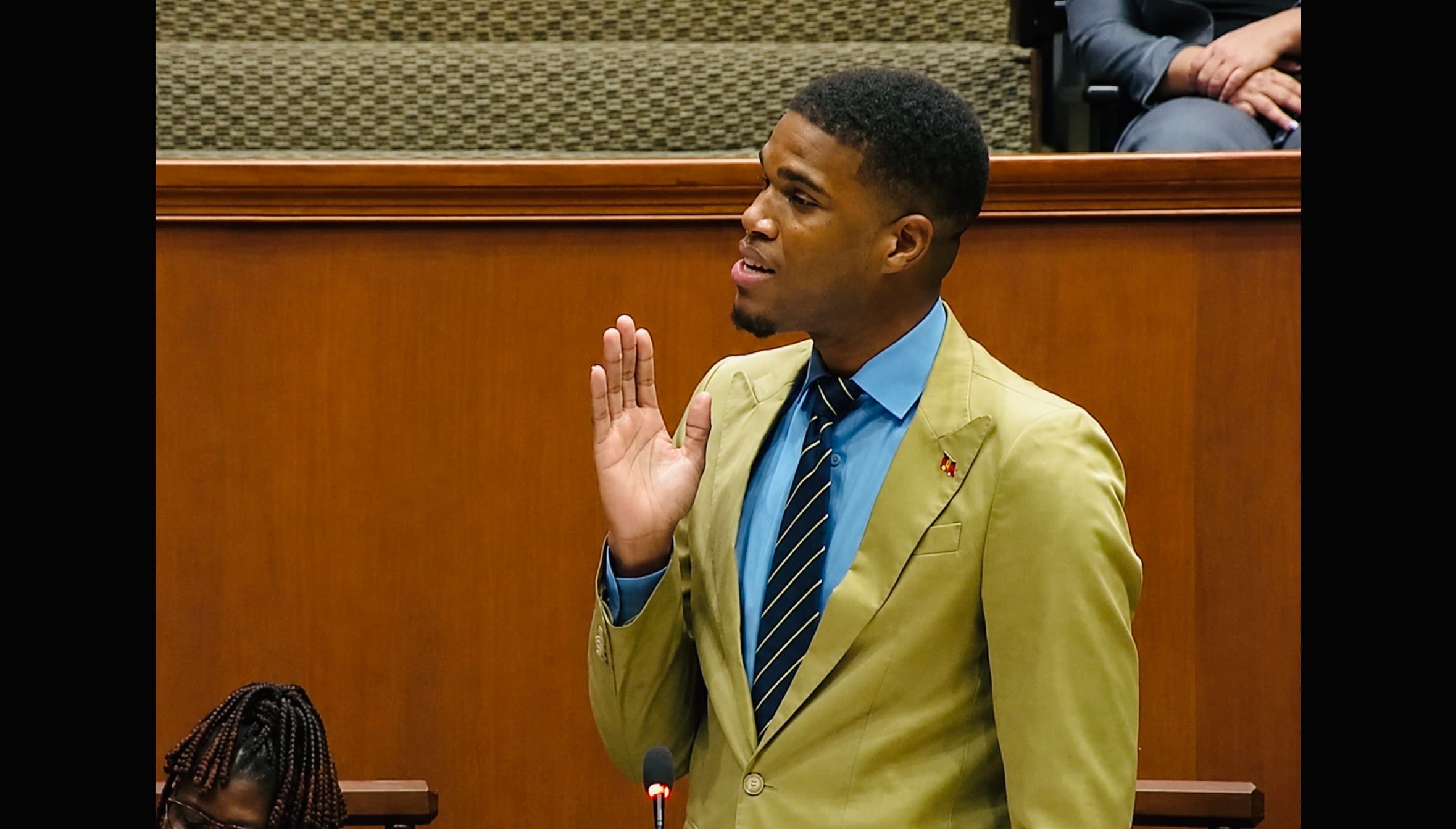
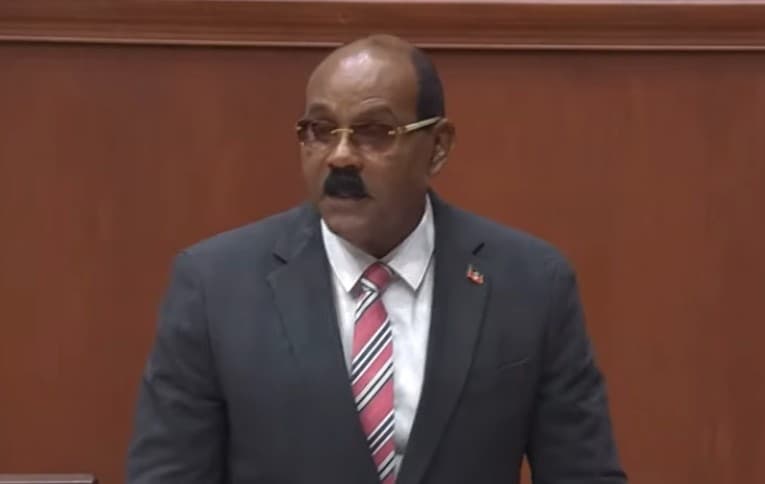
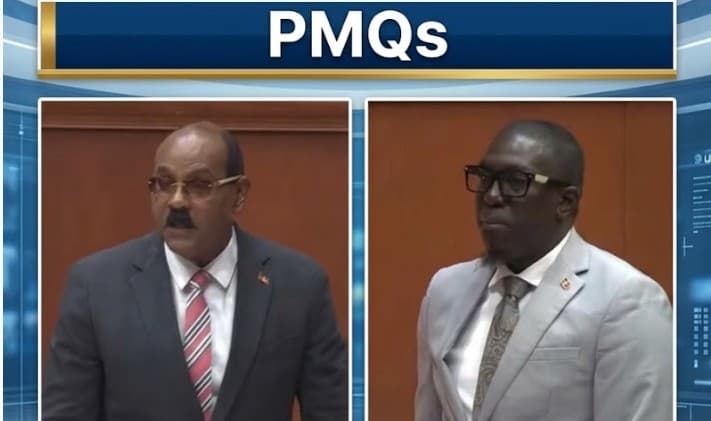
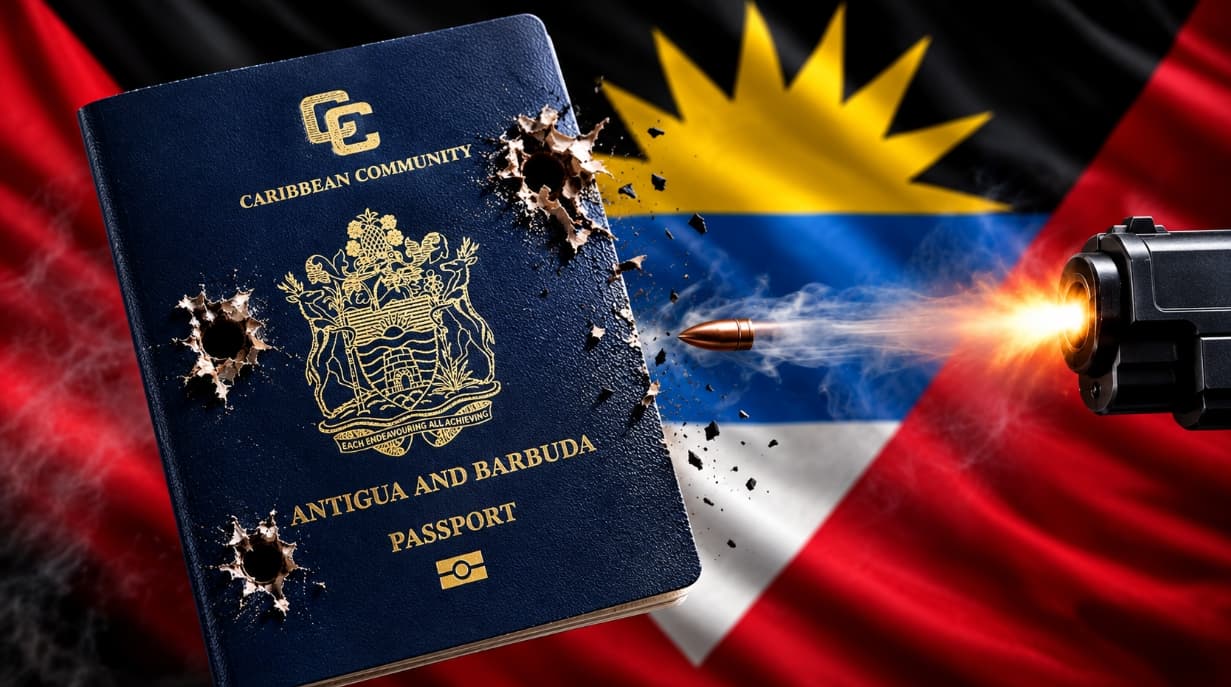
The government’s White Paper on the acceptance of third-country deportees from the United States contains none of the actual documents at the heart of the arrangement — and Senator Jonathan Wehner, acting public relations officer of the United Progressive Party, says these omissions will reduce the upcoming parliamentary debate to an exercise based on taking the Gaston Browne administration at its word.
A word, the senator argues, cannot be trusted.
Three Important Documents Missing
In a pointed public statement, Wehner identified three categories of official documentation omitted from the White Paper that Parliament is being asked to debate.
The first is the Memorandum of Understanding itself — signed by the Browne administration with the United States on December 19, 2025, months before the public was told any agreement existed. The second is the “series of draft operating procedures” proposed by the United States, which the White Paper itself acknowledges were “intended to put the arrangement into practical effect.” The third is the “counter-proposals for operating procedures” that the Browne administration sent back to Washington.
None of these documents — the MOU, the American operational framework, or the government’s own counterproposals — have been laid before Parliament or released to the public.
“In the absence of this required documentation, any parliamentary debate will be based solely on the veracity and credibility of the words of the Gaston Browne administration,” Senator Wehner said.
A Credibility Test the Government Has Already Failed
The senator then turned to the question of whether that veracity has been earned — citing two recent episodes in which the administration’s public assurances were directly contradicted by subsequent events.
“The same administration who promised before the 2023 election they would NOT increase ABST then immediately after the election increased ABST to 17%,” Wehner said. “The same administration who boasted their government was ‘too skilled, too competent’ for ANY visa restrictions to be placed on Antiguans and Barbudans. Shortly after, the US placed visa restrictions on Antiguans and Barbudans.”
His conclusion was framed in the language of the courtroom: “Clearly, the testimony of this witness is NOT credible or reliable.”
“A Carefully Crafted Narrative”
Senator Wehner characterised the White Paper as a document engineered to shape perception rather than inform deliberation. “The government’s white paper is nothing more than a carefully crafted narrative void of the relevant documents, facts or evidence required to facilitate any meaningful, substantive or informed parliamentary debate on this issue,” he said — an issue he noted will affect public safety, national security, public health, housing, and labour, among other sectors.
The stakes of the debate are underscored by the words of US Secretary of State Marco Rubio himself, who described the individuals the United States is seeking to relocate to Antigua and Barbuda as “the most despicable human beings… perverts, pedophiles and child rapists.” The government has insisted no one with a criminal background would be accepted — but without the operating procedures and screening protocols being disclosed, that assurance is precisely the kind of undocumented claim Senator Wehner says Parliament cannot verify.
The Pattern of Concealment
The missing documents are the latest chapter in a story defined from the beginning by non-disclosure. The December 19 MOU was signed without any public announcement and remained secret for more than six months, during which the Prime Minister publicly presented his government as resisting American pressure — telling the OECS Authority summit in June that Antigua and Barbuda was being “coerced” and had drawn a firm line at 10 deportees per year. Within days of that statement, the government’s stated acceptance figure had risen to between 16.
Throughout it all, no proposal, agreement, or supporting document was brought before Parliament — a stark contrast with Jamaica, which tabled its own deportee MOU with the United States before its parliament for scrutiny and debate.
The White Paper was presented as the government’s move toward transparency. Senator Wehner’s charge is that it is transparency in form only: a narrative summary of documents that remain hidden, prepared by the only party in the room that has seen them.
What Parliament Should Demand
If the parliamentary debate is to be more than theatre, the documents must come first — the signed MOU, the US operating procedures, and the government’s counterproposals, laid on the table of the House where the elected representatives of the people can read what has actually been agreed and proposed in their name.
Until that happens, the people of Antigua and Barbuda are being asked to accept the most consequential sovereignty decision in years on the strength of a promise from an administration whose promises, as Senator Wehner has documented, have a recent and demonstrable history of not surviving contact with reality.